
The mismatch nobody talks about
One of you wants to dive in. The other wants to float around first. One partner reaches arousal in five minutes. The other needs twenty. And neither of you is wrong.
Different pleasure preferences aren't a sign the relationship is broken. They're just... different. But when you're used to syncing your body to someone else's rhythm, the mismatch can feel like rejection, even when it isn't.
Why this happens (and it's more common than you think)
Pleasure timelines differ for a bunch of reasons. Testosterone levels, baseline arousal speed, sensory preferences, past experience, stress load, medication side effects. Some people are wired to want intensity immediately. Others genuinely enjoy the slow climb. Neither is better. They're just different frequencies.
Here's the part that creates friction: most couples never actually talk about this. You end up negotiating arousal in real time, which means someone's always slightly out of sync. One person's getting frustrated because they're waiting. The other's feeling rushed.
Then you introduce a toy like the Lem, a lemon clitoral vibrator, and suddenly there's a tool that can shift the dynamic entirely. But only if you use it as a communication device, not a workaround.
The real conversation you need to have first
Before the lemon vibrator enters the picture, you need to know what your partner actually wants. Not what they think they should want. Not what they're guessing you need. What they actually prefer.
Honestly though, most people have never been asked clearly. So the opening question isn't "do you like toys." It's "how do you like to be touched when pleasure is building." Listen for specifics. Light or deep pressure? Sustained or varied? Fast or gradual increase? Constant contact or buildup and pause?
Your partner probably doesn't have perfect language for this. That's normal. You're basically translating sensation into words, which is weirdly hard. Let them show you on themselves first, or describe it through what they watch, read, or fantasize about.

Photo by cottonbro studio on Pexels
How a lemon clitoral vibrator shifts the game
The Lem is useful here specifically because it has multiple patterns and intensity levels. That flexibility matters when you're bridging different desires.
If your partner prefers slow buildup and you prefer fast intensity, the lemon vibrator lets you offer something neither of you gets alone. You can start at pattern one or two (much gentler than anything most people create with hands or other toys) and actually extend the arousal phase without either of you feeling like you're performing.
For the person who wants slower climbs, it means they're not being rushed. For the person who tends toward faster arousal, it means you're both moving forward together instead of one person idling.
The key is not using the toy to override your partner's pace. That defeats everything. It's using it to create a shared timeline.
Practical strategies for syncing desire when you're different
Start separately, then join. One partner uses the lemon vibrator alone for ten to fifteen minutes while the other isn't even in the room. This removes the pressure of "am I taking too long" or "are they getting bored." When you reconvene, you're both already in the arousal phase, just at different points. That's infinitely easier to navigate than trying to sync from zero.
Let the faster person set the initial pace, then adjust. If you're the one who gets turned on quickly, your job is patience. If you're the one who takes longer, your job is permission. Permission to take what you actually need, not what you think should be fast enough.
Use the patterns as a conversation. The Lem has enough variation that you can literally ask "does this feel better at pattern two or pattern three." You're not guessing anymore. You're letting sensation speak.
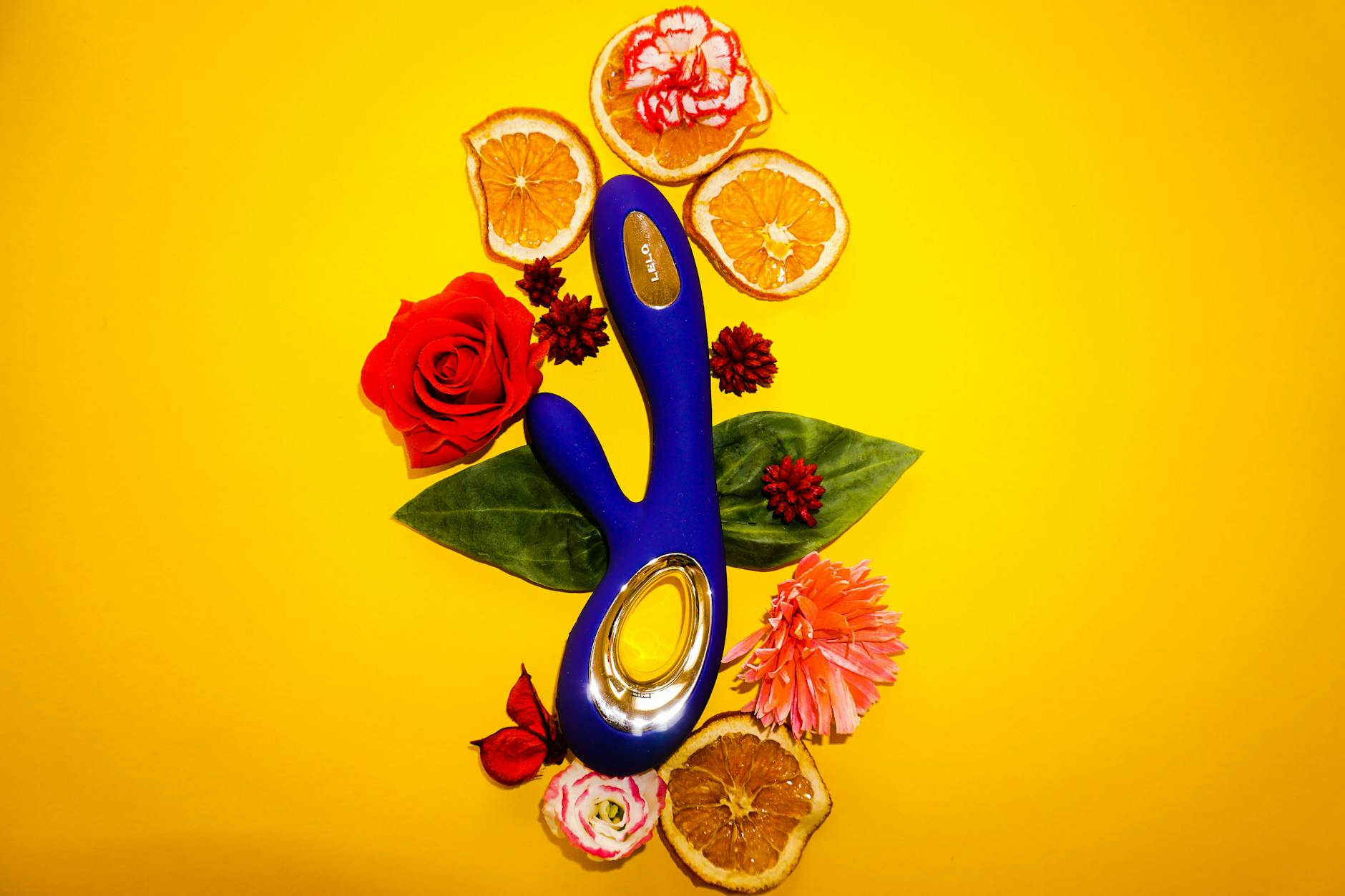
Photo by DRT.fm on Pexels
What actually changes when you stop trying to be the same
When you accept that your pleasure timelines are different and stop trying to force them into sync, something unexpected happens. The resentment lifts. Suddenly it's not "why do I always have to wait" or "why do you always rush me." It's just information. You like fast. They like slow. Okay. Now what?
Now you have options. You can build longer foreplay. You can use the lemon vibrator to bridge the gap. You can agree that sometimes you'll prioritize one person's preferred pace and sometimes the other's. You can explore whether this matters to you at all, or whether you've been carrying cultural pressure that fast equals better.
Many couples find that when the slower person gets genuine permission to take their time, they actually reach stronger orgasms. And when the faster person stops performing patience they don't feel, they relax too. Different isn't harder. It's just different.
The numbness trap (and how lemon vibrators help)
Here's something most guides don't mention: sometimes couples have mismatched pleasure preferences because one person's sensation has flatlined. They need more intensity to feel anything. The other person hasn't reached that point yet. You end up with one person wanting a jackhammer and one wanting a whisper.
Lemon clitoral vibrators sit in an interesting middle. They're intense enough to wake up sensation that's been dulled, but not so brutal that they override someone who prefers gentler touch. If you're returning to pleasure after clitoral numbness, a lemon vibrator might be exactly the tool that lets your partner join you in the experience again, at a pace that works for both of you.
When you still can't sync (and that's okay)
Sometimes different preferences are just that incompatible. One person needs twenty minutes of buildup every single time. The other person genuinely can't sustain arousal that long without intensity. You're not broken. You're just operating on different hardware.
In those cases, the lemon vibrator becomes a solo tool, or it becomes the bridge only sometimes. You might agree that certain encounters prioritize one person's preference, and you both go in knowing that. Or you might decide that partnered pleasure happens less often, but when it does, you're both actually present instead of one person gritting through someone else's timeline.
This isn't failure. It's pragmatism. Long-term intimacy isn't about forcing yourself into someone else's pleasure template. It's about finding what actually works.
How to introduce the conversation without pressure
Don't lead with "we should use toys because you're too slow" or "I bought this because your arousal is too fast." That's a loaded conversation waiting to detonate.
Instead: "I've been thinking about how our pleasure works. I like building slower and you like moving faster. I'm wondering if there's a way we could both actually get what we need without anyone feeling rushed or bored." Then mention that some people use toys to help bridge that kind of gap. Make it optional. Make it exploratory. Make it about solving a real problem together, not fixing each other.
If they say no, the work is still done. You've named the dynamic and you can address it with communication and rhythm adjustments. If they're interested, a lemon vibrator gives you a tool to actually try something new.
FAQ: different pleasure preferences with partners
Can one partner using a vibrator while the other watches help sync our timing?
Yes, often. Watching your partner use a toy can be arousing in itself, which can help the slower-to-arouse person speed up naturally without feeling forced. And the person using the vibrator gets to explore their preference without performing patience. Just make sure it's genuinely consensual and enjoyable for both of you, not a performance.
My partner takes forever to come and I lose arousal waiting. Is this fixable?
Maybe, maybe not. Some people are just slow to orgasm and always will be. But sometimes what looks like slowness is actually numbness or distraction. Have they seen a doctor about it? Is their mind actually in the room? Are they on medications that affect arousal? Those are different conversations. A lemon vibrator can help with sensation issues, but not with distraction or disconnection.
What if my partner thinks using toys means they're not enough?
This is a cultural message problem, not a truth problem. A toy doesn't replace a partner. It's a tool, like a blindfold or a hand position change. But if your partner genuinely feels that way, forcing it will only deepen the wound. The conversation is about reassurance first. Use the toy later, if at all.
Should we use the vibrator every time we have sex?
No. Use it when it serves the experience, not as a default. Some of your best sex might be without it. Some nights you might both want it from the start. Some nights one of you uses it and the other doesn't. Flexibility is the whole point.
How do I know if my partner's different pleasure pace is just how they are, or if something's wrong medically?
If the shift is recent, something might be up. Blood pressure issues, hormonal changes, stress, depression, medication side effects. It's worth a check-up. If they've always been this way and they're healthy and happy, it's probably just their baseline.
Is it selfish to ask my partner to use a vibrator so I can get aroused faster?
Not if you're honest about it. "I want you to use the lemon vibrator because it helps me feel connected to you while I'm getting turned on" is a real request. "I want you to use it because you're taking too long" is criticism dressed as a request. Check which one you actually mean before you say it.
The version of intimacy you actually want
Most couples end up with sex that serves nobody fully. One person's slightly bored. The other's slightly rushed. You develop a script that's technically functional but nobody's actually excited about it.
Different pleasure preferences don't have to be a problem to solve. They can be an invitation to something more honest. Maybe you use a lemon vibrator. Maybe you just talk about pacing and agree on new rhythms. Maybe you discover that the mismatch you were worried about doesn't actually matter when you stop pretending it doesn't exist.
Your pleasure timeline is yours. Your partner's is theirs. The point isn't to erase the difference. It's to build something that works for both of you. Even if it looks different from what you thought it would.
If you're ready to have that conversation and explore what actually works, reach out to discuss your questions or concerns.