
The antidepressant orgasm gap is real
Let's get straight to it: antidepressants, especially SSRIs, flatten sexual response. Not in your head. Not something you should "just push through." In your actual nervous system. About 40 to 60 percent of people on SSRIs experience some form of sexual dysfunction. Some lose desire completely. Others feel sensation but can't quite reach orgasm, or when they do, it's a distant, muted echo of what it used to feel like.
The thing nobody tells you is that this isn't a failure of your body or your relationship. It's pharmacology. And pharmacology can be worked with.
How SSRIs change what pleasure feels like
Serotonin regulates mood, but it also modulates sensation and arousal. When you increase serotonin (which is what SSRIs do), the brain gets better at steadying emotion. It also, sometimes, gets less interested in the peripheral stuff. Orgasm becomes harder to reach. Sensation dulls. Some people describe it as watching themselves have pleasure from behind a glass wall.
The weirdness is that you might still want sex. You might still love your partner. Your body just... isn't responding the way it used to. That mismatch is brutal. And for a lot of people, it's the moment they either silence the problem or start looking for solutions.
The good news: this is one of the few sexual side effects where mechanical stimulation actually outperforms expectation. The reason is neurological. A clitoral suction vibrator like The Lem bypasses some of the serotonergic dampening by working directly on nerve endings. It's not about willpower or desire. It's about physics.
Why The Lem works when sensation feels muted
The Lem uses air-pulse technology, not traditional vibration. That distinction matters for antidepressant users. Here's why.
Traditional vibrators rely on the body's ability to register escalating vibration as increasingly pleasurable. When serotonin is elevated, that sensory gradient flattens. The vibration might feel like buzzing, but not like excitement. The Lem's suction pattern works differently. It creates a seal and then pulses, which stimulates the whole clitoral structure, not just the surface. That stimulation pattern is harder to numb because it's not just vibrational noise. It's a specific sensation your nervous system registers as distinct.
In practice, that means the Lem often works for people who've tried other clitoral vibrators and found them useless. The sensation comes through. The pattern feels purposeful, not just buzzy.
How to start using The Lem if you're on antidepressants
Begin with realistic expectations. You're not trying to get back to pre-medication sexuality. You're building a new baseline.
First, give yourself time away from pressure. That sounds soft, but it matters. Many people on SSRIs find that the moment they start focusing on orgasm, it vanishes further. Paradox. So start by using The Lem in a context with zero performance expectation. Alone, no partner, no timeline. Just exploration.
Second, lower the intensity threshold. Start at pattern one or two. The impulse is to jump to higher settings because you're not feeling much, but that usually backfires. You're not broken enough to need maximum intensity. You just need consistency. Let your body find the rhythm before you change anything.
Third, spend 20 to 30 minutes, minimum. That's longer than you might expect. But SSRI bodies need time to build sensation. The first 10 minutes might feel like nothing. Around 15 to 20 minutes, things often shift. Neural pathways light up slowly. Honor that timeline.
The mental component that changes everything
Here's the part that most articles skip: using a lemon clitoral vibrator while on antidepressants means you have to separate two conversations in your head.
Conversation one: "My medication is helping my mental health." It is. That's real and good.
Conversation two: "This medication has a side effect I want to manage." Also true.
Because these two things are both real, you can hold them at the same time without one negating the other. But most people don't. They decide that accepting the antidepressant means accepting sexual numbness as the price. Or they decide the sexual side effect is unacceptable and stop the medication (which often makes things worse overall).
Using The Lem is a way of saying: I'm keeping the medication that works for my brain. I'm also actively deciding to rebuild pleasure. Both are choices. Both are valid.
That mental shift alone changes the experience. When you're using The Lem because you've decided pleasure still matters, not because you're desperately trying to get your old body back, the sensation often improves. Your nervous system isn't fighting you.
When to talk to your prescriber
If orgasms are completely impossible even with consistent Lem use (20+ minutes, low intensity, no pressure), it's worth asking your doctor about timing. Some people find that shifting when they take their medication helps. Others find that adding bupropion (which doesn't have sexual side effects) to their SSRI restores sensation. Buspar is another option some prescribers try.
The key is going in informed. Say exactly what's happening: "Orgasm takes 40 minutes or doesn't happen at all" is more useful than "I can't come." Prescribers respect specificity, and they've heard this before. Sexual function matters. It's worth five minutes of conversation.
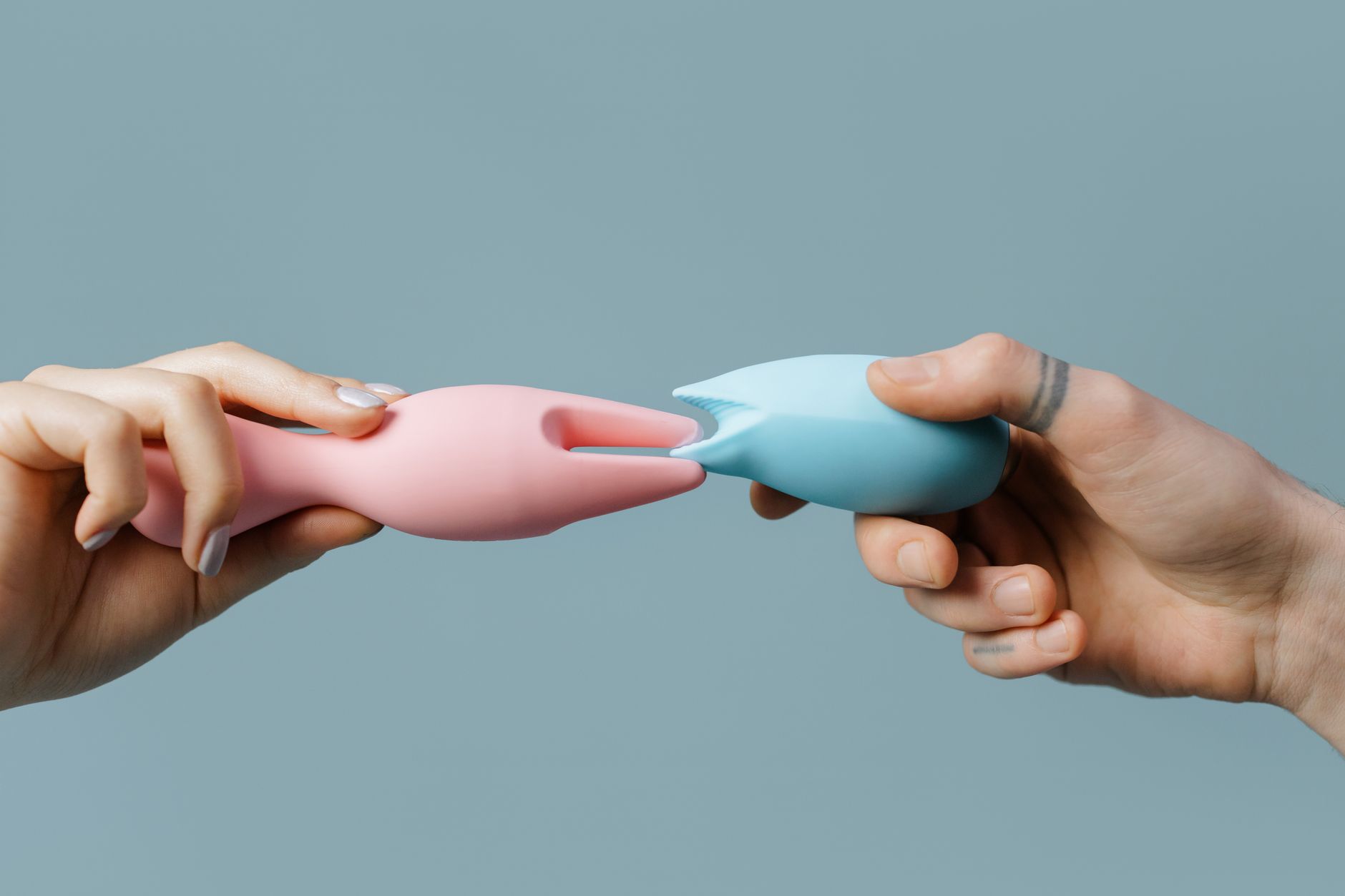
Photo by cottonbro studio on Pexels
The patience piece
It can take two to four weeks of consistent use for your body to start remembering how to feel pleasure deeply. That sounds like a long time. It is. But it's also the timeline for antidepressant numbness to start unwinding, even with perfect technique.
Some people notice shifts faster. Others take longer. Both are normal. The Lem is a tool for consistent, reliable stimulation. But your nervous system is the thing that has to rewire. And that takes time.
During this phase, solo use is often more productive than partnered use. Not because partnered sex is bad, but because with a partner present, the pressure to perform returns. The goal becomes shared pleasure or reassurance rather than your own exploration. That subtle shift in intention can flatten sensation. Keep solo practice separate. Let your partner know what you're doing. Make it part of your self-care routine, not a secret or a desperate attempt to fix the relationship.
For partners reading this
If your partner is on an antidepressant and using a lemon clitoral vibrator like The Lem, here's what helps. Don't ask them how it's working or if they've come yet. Don't make suggestions about technique. Don't interpret slower orgasms as waning desire. What helps is saying: "Your pleasure matters to me. Take whatever time you need." Then step back and let them explore.
When you do eventually integrate The Lem into partnered sex, think of it as a tool you're both using, not a backup plan. "I want to use The Lem together" frames it completely differently than "I need The Lem because I can't come." Same object, radically different energy.
The long-term picture
Many people on SSRIs find that sensation does improve over time, even without intervention. The brain adapts. Some people plateau and stay plateau, which is why tools like The Lem stay useful permanently. Others find that after a few years, they can come without assistance again, but The Lem stays in their rotation because the sensation is just better.
None of those outcomes are failures. What matters is that you're not accepting numbness as mandatory collateral damage. You're actively deciding to engage with your own pleasure, even when your brain chemistry is working against you. That decision is the antidepressant's opposite. It's generative. It's yours.
FAQ
Does using The Lem make antidepressant sexual side effects worse over time?
No. In fact, the reverse is often true. Regular stimulation can help your nervous system stay responsive to sensation. Using The Lem isn't papering over the problem. It's maintaining neural pathways that would otherwise atrophy from disuse. Some people find that after consistent use, sensation improves overall, even in contexts that don't involve The Lem.
Can I use The Lem if I'm on multiple medications?
Yes, with one caveat. Some medications compound sexual side effects. If you're on an SSRI plus an antipsychotic, or plus blood pressure medication, the numbness can be deeper. The Lem still works, but you might need longer warm-up time or lower intensity feels sufficient. If you're curious whether your specific combination matters, mention it to your prescriber. But don't assume you can't use a clitoral vibrator without checking. Most people can.
How long after starting an antidepressant should I wait before using a lemon vibrator?
You can start immediately. Sexual side effects usually appear within the first two to four weeks of starting an SSRI, so if you're already experiencing numbness, your body has adjusted enough that The Lem will register properly. If you're newly on medication and feeling fine sexually, there's no harm in exploring The Lem anyway. You're not forcing anything into a broken system. You're just trying out a tool.
Is it normal that The Lem settings feel really subtle when I first start using it?
Completely. Pattern one on The Lem is designed to be gentle and exploratory. On an SSRI, gentle can feel almost invisible at first. That's not a sign The Lem isn't working. It's a sign your sensation threshold is temporarily elevated. Spend a few sessions on pattern one before moving up. Your nervous system will start recognizing the stimulation as something to build on.
Can antidepressant sexual side effects go away permanently?
Sometimes. Some people find that after months or years, sensation normalizes. Others plateau and find that lemon clitoral vibrators become their standard rather than a workaround. Still others switch medications and experience rapid improvement. There's no one trajectory. The point isn't to chase your pre-medication sexuality like it's the only legitimate version. The point is to work with the body you have now and make space for pleasure within it.
Should I tell my partner I'm using The Lem to manage antidepressant side effects?
If you're partnered and you want to use The Lem together eventually, yes. If you want to explore alone first, that's also fine. But I'd recommend being honest about the reason. Not because you should feel shame about it, but because your partner will understand the context. "I'm using this because my medication flattens sensation and I want to rebuild pleasure" is wildly different from "I need this because you're not enough." Context prevents misinterpretation. It also means your partner can be supportive instead of confused or hurt.
If you're seeing a therapist, it's also worth mentioning. Some therapists have useful insights about managing SSRI side effects holistically. You don't need permission, but the conversation can be grounding.
The bottom line
Antidepressants save lives. They also sometimes flatten pleasure, and that's a real loss worth acknowledging and addressing. The Lem works particularly well for people on SSRIs because the suction pattern bypasses some of the sensory dampening that traditional vibrators can't penetrate. Start low, give it time, and remember that rebuilding sensation is a legitimate form of self-care, not a sign that something's wrong with you or your relationship.
Your pleasure matters. Your medication matters. Both things can be true. If you want to talk through your specific situation or have questions about how to integrate The Lem into your life, reach out. I'm here to help.