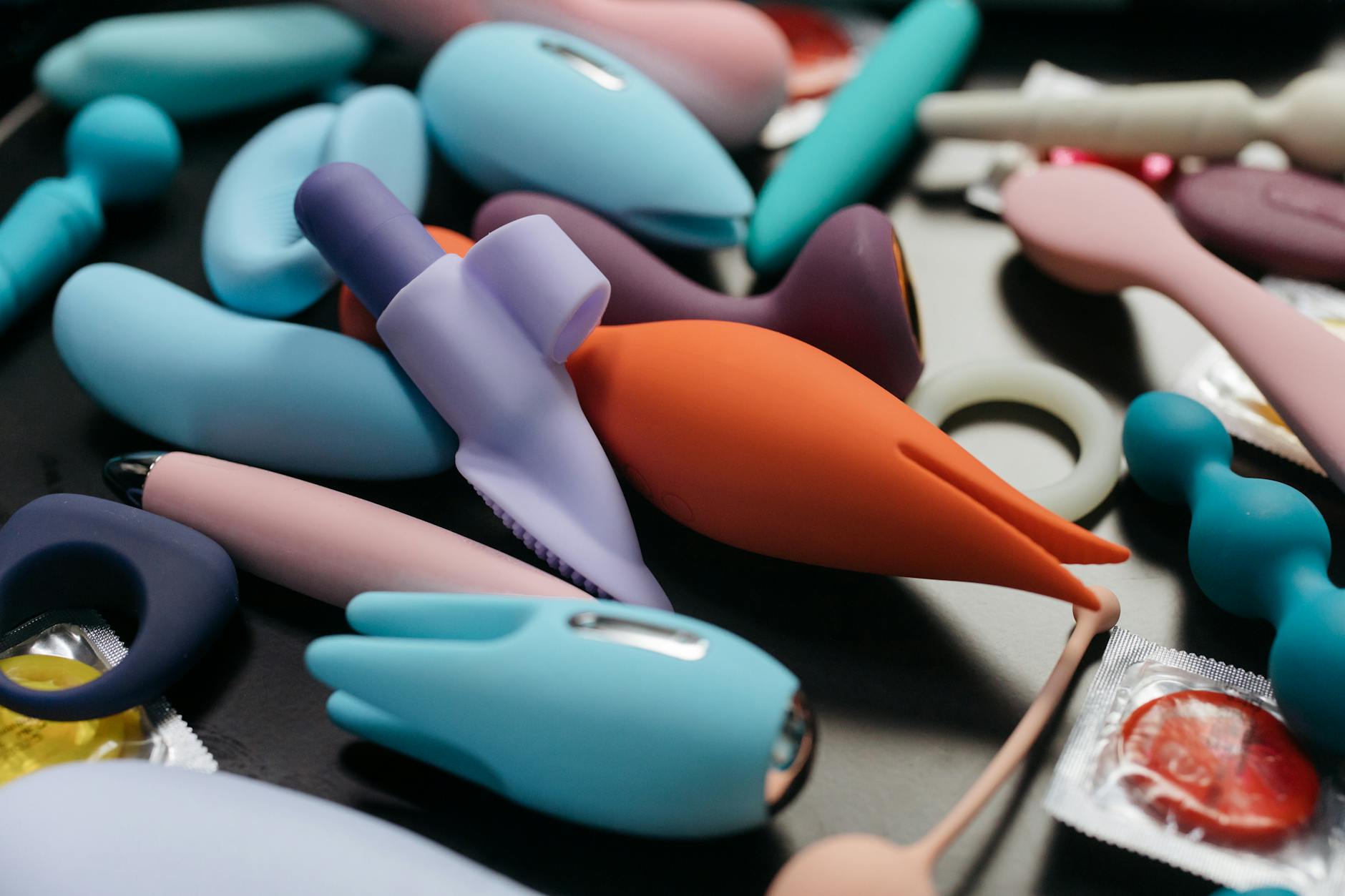
The gap is real. So is the awkwardness.
You haven't used vibrators together in years. Maybe life got in the way. Maybe sex stopped feeling safe. Maybe one of you felt insecure about bringing toys back in. Whatever happened, the silence got louder than the intimacy.
Now you want to restart. And you're wondering if a lemon vibrator can help bridge that distance.
It can. But the toy isn't the hard part. The conversation is.
Why the gap makes reintroduction feel strange
When you stop using toys together, a few things happen in the body and the mind. Physically, your nervous system recalibrates to sensation without vibration. Psychologically, absence can feel like rejection. One partner might think "they didn't want it anymore," while the other thinks "they weren't into it anyway." Neither is usually true. But silence lets those stories take root.
Reintroducing a lemon vibrator after a gap isn't just about remembering how it feels. It's about renegotiating consent, vulnerability, and desire at the same time. That's three conversations happening at once. No wonder it feels loaded.
Here's what I see in my practice: couples who name the gap and talk about what they want to rebuild tend to move forward faster and with less resentment than couples who pretend the time didn't change anything.
Start the conversation outside the bedroom
Don't wait until you're already intimate to introduce this. Pick a moment when you're both calm, clothed, and not trying to have sex. Over coffee, on a walk, or in the car.n Honesty first: "I've been thinking about how we used to play together with vibrators. I miss that. I miss feeling that kind of pleasure with you. Would you want to try again?"
That's it. You don't need permission slips or lengthy negotiations. You need to know they're interested and to hear what they're hesitant about (if anything). Common concerns: "I felt like you preferred the toy to me," or "I wasn't sure if you actually wanted me anymore," or simply "I forgot how to do this."
Listen to the real concern underneath. Often it's not about the toy at all. It's about feeling desired. Acknowledge that directly. "I want you. I want us to feel good together. The vibrator is part of that, not instead of it."
If they say no, that's information too. Don't push. But ask why. Sometimes people need more time. Sometimes they need a different kind of toy. Sometimes they need to rebuild trust first through other kinds of touch.
The reintroduction: go slow on sensation
When you do restart, your first session should be longer and lower intensity than you might expect. Your body has muscle memory for pleasure, but sensation recognition takes a few sessions to rebuild. The clitoral nerve endings don't "forget," but the brain's mapping of how those sensations feel together with another person needs to be relearned.
Start with the lemon vibrator on a lower setting (pattern 1 or 2 if you're using The Lem). Spend time with non-vibrational touch first. Kiss. Touch each other's skin. Build arousal the old-fashioned way for 10 to 15 minutes. Let blood flow, let the body wake up.
Then introduce the vibrator. Don't jump straight to intensity. Use it for 2 to 3 minutes at a time, then pause. Go back to hands, lips, bodies. This rhythm serves two purposes. It keeps your nervous system from flooding (which can make sensation feel numb or overwhelming). It also reinforces the idea that the vibrator is part of your intimacy, not a replacement for your partner's touch.
If you're the receiving partner, pay attention to what you actually feel, not what you think you should feel. You might notice that sensation is sharper than you remember. Or duller. Or strangely emotional. All of that is normal after a gap.
If you're the giving partner, watch and listen. Ask if they want more pressure (most vibrators work better with light contact), faster patterns, or a pause. Your job is to pay attention, not to perform or prove anything.
Why communication during matters more than technique
After a long gap, the biggest blocks aren't physical. They're emotional. Self-consciousness. Doubt. Wondering if your partner really wants this or is just doing it for you.
Break that silence in real time. If you're using the vibrator together, narrate what you're experiencing. "This feels different than I remembered," or "I like how you're slowing down," or "I want to try a different pattern."
Don't wait until after to have a debrief conversation. The vulnerability during is the whole point. It's showing each other that you're willing to be uncertain together.
One more thing: check your ego at the door. If your partner takes longer to orgasm than they used to, or if they don't orgasm at all that first time, that's not a failure. The goal isn't the climax. The goal is reconnection. Orgasms will follow once the nervous system relaxes and trust rebuilds.
The practical setup that removes friction
A few logistics that matter more than you'd think:
Use a water-based lubricant, even if the person receiving usually doesn't need much. After a gap, tissues can be more sensitive. Lube reduces friction and makes the whole experience feel gentler and more pleasurable. It also signals that you've thought this through, which is weirdly intimate.
Have tissues or a small towel nearby. Doesn't need to be romantic, but knowing cleanup is handled lets people relax instead of worrying about mess.
Charge your vibrator beforehand. A dead vibrator mid-session kills the mood faster than almost anything. The Lem holds a charge for hours, but check it anyway.
Set a time limit for the first session. Not because you need to rush, but because knowing "we have 30 minutes to reconnect without distractions" actually helps people show up more fully. Set a phone to silent. Close the door. Make it clear this matters.
What happens if it feels weird at first
Weirdness is normal. You haven't been here in a while. Your body is relearning. Your mind is processing vulnerability with someone you trust but haven't been fully intimate with recently.
This is actually valuable information. Weirdness means you're both paying attention. You're both a little nervous. That's not bad. That's the emotional part of reconnection happening.
Don't try to force it to feel like it used to. It won't. It'll feel like something new. And that's better than nostalgia anyway.
If one of you feels genuinely uncomfortable or triggered, stop. Not as failure, but as information. Talk about it outside the bedroom later. Trauma or pain sometimes surfaces when we become vulnerable with a partner again. That's worth exploring, maybe with a therapist. It's not something a vibrator can fix, but naming it is the first step.
Building back to better
The third or fourth time you use lemon vibrators together, you can start playing with intensity. Faster patterns. Different positions. Bringing the vibrator in during penetration if that appeals to you, or using it for mutual pleasure in different ways.
But don't rush there. Let pleasure rebuild in layers. First session: reconnection and softness. Second session: slightly more energy. Third session: experimentation.
After a gap, reintroduction is its own kind of pleasure. You're not trying to recreate what you had. You're building something that fits who you are now. That's actually better. That's growth.
Questions people usually ask
How do I know if my partner actually wants this or is just saying yes to make me happy?
Ask directly in the moment. "I want you to tell me if this feels good or if you'd rather pause." Then listen to their body language and words equally. If they seem distant or tense, check in. "You seem quiet. What's going on?" Vulnerability invites vulnerability. Usually people will tell you the truth if you make it safe.
Is it okay to use a vibrator if we've been having trouble with desire for years?
A vibrator can help rebuild sensation and pleasure, but it won't fix broken communication or resentment. Those need to be addressed separately. If you haven't had sex or intimacy in years, you might benefit from working with a couples therapist before reintroducing toys. The toy can amplify what's already there, but it can't create connection from nothing.
What if the sensation feels completely numb at first?
Numbness after a gap is more common than you'd think. Your nervous system is protecting itself. Keep going gently for a few sessions. Low intensity, lots of pauses, plenty of non-vibrational touch in between. Sensation typically comes back within 3 to 5 sessions as your body realizes it's safe again. If numbness persists beyond that, it might signal something else (medication side effect, underlying health issue) worth discussing with a healthcare provider.
Should we talk about fantasies or preferences before we start?
Some couples benefit from that conversation. Others find it awkward. Read your dynamic. If talking about desires feels loaded, start with action and let preferences emerge naturally. "That feels amazing, do more of that." You'll discover what works through doing, not discussing. That's equally valid.
How long should our first session be?
20 to 30 minutes from start to finish, including foreplay, vibrator use, and aftercare (just resting together). You're not trying to have the best sex of your life. You're rebuilding familiarity. Shorter, frequent sessions often work better after a gap than one long marathon. Your nervous system needs time to adjust.
What if we want to use vibrators solo before trying together?
That can actually be helpful. If you've been away from your own pleasure for a long time, reconnecting alone first takes pressure off partnered sex. You remember what your body feels like when it's aroused. You remember what patterns work for you. Then introducing that knowledge to shared sex feels less scary. There's no shame in that path.
The bigger picture
Using a lemon vibrator together after a long gap isn't really about the toy. It's about saying "I want to feel close to you. I want to experience pleasure with you. I'm willing to be vulnerable and awkward while we figure this out."
That's one of the bravest things a couple can do. The conversation matters more than the device. Your willingness to show up matters more than the technique. The vibrator just gives you something to do with your hands while you rebuild trust.
Start the conversation. Name the gap. Move slowly. Pay attention. And let whatever happens be exactly what you both need right now.