When sensation goes quiet
Honestly, time away from pleasure does something strange to your body. Not damage. Nothing broken. But after months of not touching yourself, or after a dry spell in a long-term relationship, or after life just gets too loud and crowded for that kind of attention, your nervous system downshifts. Arousal takes longer to arrive. Sensation feels distant. You might feel present, but your body feels like it's behind glass.
This isn't depression. It isn't trauma. It's neuroplasticity. Your brain's reward pathways have gone quiet because you haven't been using them. The good news: they wake up faster than you think.
Why sensation actually fades
Your body's capacity for pleasure lives in three interconnected places: your nervous system, your blood flow, and your attention. When you're away from self-pleasure for an extended time, all three get a little drowsy.
Firstly, your sympathetic nervous system (the fight-or-flight branch) stays more active when you're not regularly accessing the parasympathetic state that arousal requires. That baseline shift makes everything feel less responsive. Your clitoris isn't less sensitive neurologically. Your brain just isn't sending as much blood flow to the area during stimulation.
Secondly, attention is literal. When you haven't focused on your own pleasure in months, that neural pathway gets thin. Your brain allocates resources to what you use. It's not a punishment. It's efficiency. The good news: you can rebuild that pathway in weeks, not years.
Thirdly, if you've been in a relationship or life phase where your pleasure took a back seat, there's often an emotional layer too. Guilt, disconnection, or resentment can literally dampen sensation. Your body doesn't separate the physical from the emotional.

Photo by Ihsan Adityawarman on Pexels
The numbness you might notice (and why it's temporary)
When you start touching yourself again after a gap, you might feel one or several of these things:
- Muted response. Your clitoris doesn't tingle or swell the way you remember. It's like the volume is turned down.
- Delayed arousal. You used to get turned on in minutes. Now it's 20 minutes before anything shifts.
- Flatness. The sensation is there, but it doesn't feel like much. No crescendo, no building intensity.
- Disconnection. You're touching yourself, but it feels like you're watching someone else do it.
Every single one of these is normal after a gap. And every single one responds to consistent, intentional touch. You're not broken. You're dormant.
Why The Lem works better when you're returning to sensation
Here's the thing about suction-based clitoral stimulation versus conventional vibration: it wakes up different neural pathways.
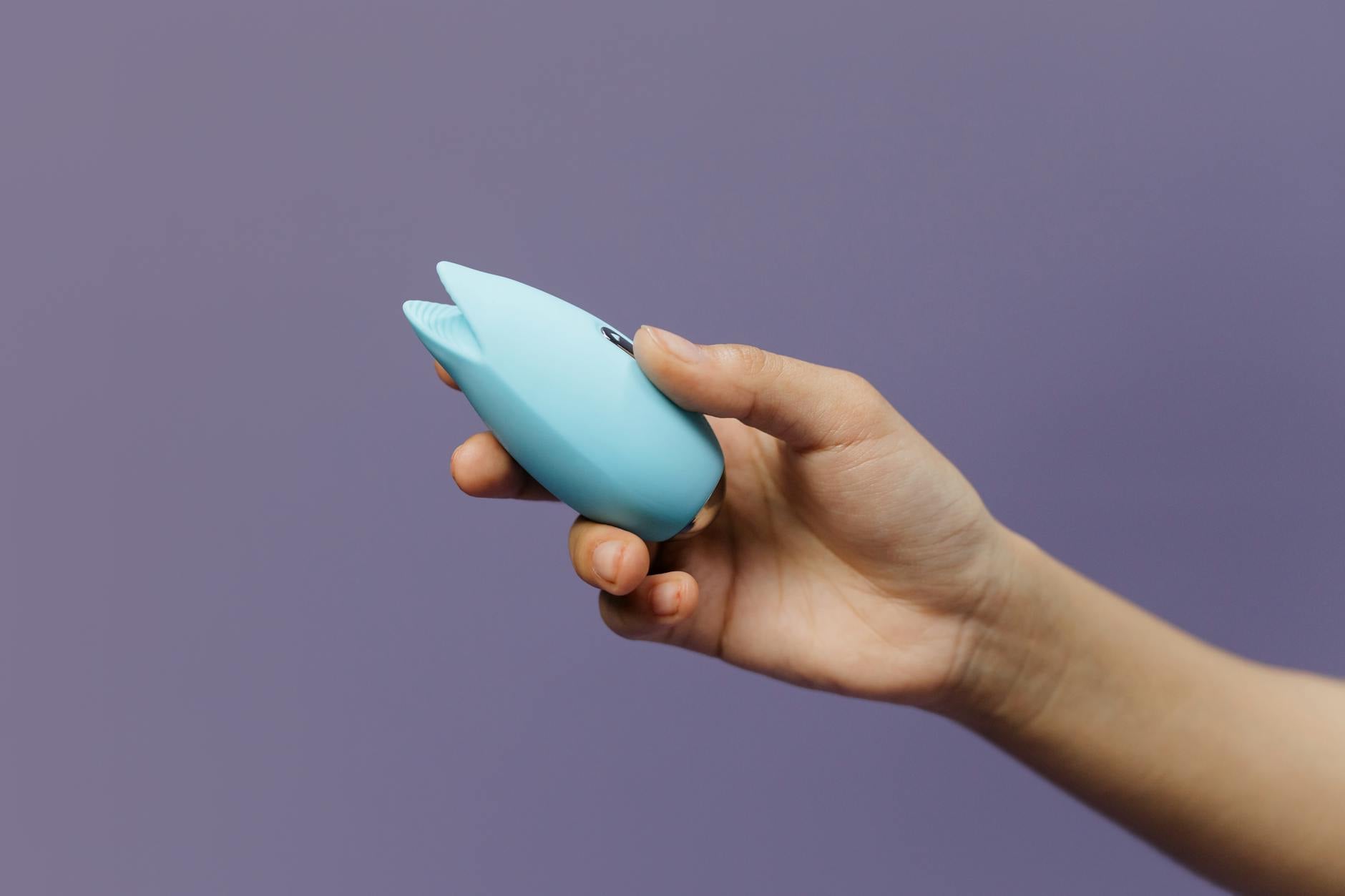
The Lem uses gentle, pulsing suction instead of direct friction. That matters because when your nervous system is already quiet, direct vibration can feel overstimulating on the surface (irritating) or underwhelming deeper in. Suction creates a vacuum seal that draws tissue into the cup, then releases. It's gentler on the outside but reaches deeper tissue.
For someone coming back to sensation after a gap, this is perfect. The suction engages your clitoris without the harsh buzz or intense pressure of traditional vibrators. It gives your nervous system something to wake up to that doesn't feel jarring.
The patterns on The Lem also matter. Starting at pattern 1 or 2 gives you a slow, rhythmic pulse that your brain can follow. Your parasympathetic nervous system loves predictability. Rhythm builds arousal faster than chaos.
The three-week reconnection protocol
I recommend this structure to almost every client returning to pleasure after a gap.
Week one: Attention only. Five to ten minutes daily, no pressure to feel anything. You're not trying to orgasm. You're rebuilding the neural pathway that says "my pleasure matters." Start at the lowest setting on The Lem. Let it pulse. Your job is just to notice. Any sensation is data. Flatness is data too.
Week two: Extend and explore. Bump the time to 15 minutes. Move to pattern 2 or 3. Notice when your body starts to respond differently. Most people feel a shift right around day 10. A little more blood flow. A slightly quicker warmth. Don't chase it. Let it arrive on its own timeline.
Week three: Build intentionally. Now you can increase intensity or time. You're not trying to orgasm yet. You're rebuilding the full arousal cycle. The Lem's job is to give your nervous system consistent, pleasant stimulation while you rebuild trust with your body.
After three weeks, sensation almost always returns. Sometimes faster. Sometimes it takes a month. But the pattern holds.
The emotional part (which is honestly half the work)
Physical sensation doesn't wake up in a vacuum. If you've been away from pleasure because of disconnection in a relationship, or because you've internalized the idea that your pleasure isn't important, or because you're afraid of asking for what you want, that emotional layer is going to slow the process.
Before you start touching yourself, get honest about why you stopped. Was it a relationship thing? A life phase where self-care felt selfish? Shame? Grief? Dissociation?
You don't need to solve it. But naming it matters. Because your body will keep punishing you with numbness if your nervous system doesn't feel safe prioritizing pleasure.
If the gap was relational, consider whether this is solo pleasure you're rebuilding, or partnered pleasure, or both. The answer changes your approach. How to Use a Lemon Vibrator When Your Partner Wants to Be More Involved walks through that navigation if you're returning to shared intimacy.
If the gap was circumstantial (travel, stress, life chaos), your body just needs permission and consistency. You're not healing anything. You're just remembering.
Practical setup tips
When sensation is fragile, your environment matters more than you'd think.
- Privacy is non-negotiable. Worry kills arousal dead. Make sure you're genuinely alone and uninterrupted for at least 20 minutes.
- Warmth helps. A warm bath beforehand, or just wrapping yourself in a blanket. Warmth opens blood vessels. Your clitoris responds better when warm.
- Lubrication, always. Even if you feel dry. Water-based lube signals to your body that this is intentional, that you're taking time. It also actually helps sensation return faster because it removes friction friction from being an obstacle.
- Start small. The Lem's lowest setting is gentler than you think. Start there. Your body will tell you if it needs more.
- No goal except presence. The second you start thinking "I should orgasm by now," your sympathetic nervous system activates and sensation disappears. You're not trying to orgasm. You're trying to feel.

Photo by cottonbro studio on Pexels
When to expect the shift
Most people feel something shift around day seven to day ten. Not a big orgasm moment. Just a slight return of responsiveness. A little more warmth. A tiny bit of that building sensation you remember.
That's your nervous system waking up. That's the moment you stop doubting that your body still knows how to feel.
From there, sensation builds quickly. By three weeks, most people are back to something close to their baseline. By six weeks, many people report that sensation is actually better than before the gap. That's because you're building it intentionally instead of taking it for granted.
What happens if numbness is still there after a month
If you're following the protocol, touching yourself consistently, and you're still not feeling much after four weeks, it's worth checking a few things.
First: are you actually in a parasympathetic state? Stressed, worried, or distracted bodies don't feel pleasure no matter what toy you're using. If your nervous system is in fight-or-flight, you need to address that first. That might mean therapy, might mean medication, might mean life changes. How to Use a Lemon Vibrator When Your Body Responds Differently During Stress covers that territory.
Second: are there medical factors? Certain medications genuinely do reduce sensation. Hormonal birth control, antidepressants, and some blood pressure meds all can affect clitoral responsiveness. If you started a new medication around the time sensation faded, that might be your answer. A doctor or sex-informed therapist can help you troubleshoot.
Third: is there emotional work that needs to happen first? If the gap was from a relationship rupture or a period of depression or trauma, numbness might be protective. Your body might not feel safe feeling. That's not a physical problem. It's an emotional one, and it usually needs someone trained to help you process it.
But in most cases where someone simply took a break from pleasure and wants to return, the three-week protocol works. Consistently.
You haven't forgotten
This is the part I want you to hold onto: your body hasn't forgotten how to feel pleasure. It's just been quiet. Silence isn't loss. It's a pause.
The Lem's gentle suction and rhythmic patterns give your nervous system something easy to wake up to. You're not forcing sensation. You're inviting it back. There's a difference.
Start small. Be patient. Show up consistently. Your body will remember. It always does.
People also ask
How long does it typically take for sensation to return after a long gap?
Most people notice a shift within 10 days to two weeks of consistent, intentional touch. But "return" isn't a single moment. Sensation rebuilds gradually. By three to four weeks, most people are back to baseline arousal and response. By six weeks, many find sensation is actually richer than before, because they're paying attention to it instead of taking it for granted. The exact timeline depends on how long the gap was and whether there are underlying stress or medical factors at play.
Should I use The Lem differently if sensation feels really numb?
Yes. Start on the lowest setting (pattern 1 or 2) and sit with it. Your job isn't to feel aroused immediately. Your job is to send a signal to your nervous system that you're prioritizing this. The gentleness of suction-based stimulation is actually ideal for numb sensation because it doesn't overwhelm. If direct vibration felt jarring, The Lem's approach will feel more welcoming. Spend longer at lower intensities rather than jumping to higher patterns.
Can emotional disconnection from a partner actually cause physical numbness?
Absolutely. Your nervous system doesn't separate emotional from physical. If you're resentful, lonely, or disconnected from a partner, your parasympathetic nervous system stays partially activated for self-protection. That directly reduces blood flow to your genitals and blunts sensation. You can use the right toy perfectly and still feel nothing if the emotional groundwork isn't there. Sometimes the physical tool comes after emotional repair, not before.
What if I'm returning to pleasure solo after months of partnered sex?
Your body might feel strange at first. Solo stimulation activates your nervous system differently than partnered sex. You might feel a little awkward or self-conscious. That passes. Give yourself grace for the first week or two. Your body isn't broken. It's just adjusting to a different kind of attention. After a few sessions, most people find solo pleasure feels either more freeing or more focused, depending on what they needed the break from.
Is numbness after a gap a sign I've lost interest in pleasure?
No. Numbness after a gap is just neuroplasticity. Your reward pathways are quiet. But quietness isn't absence of interest. Most people who experience this numbness actually have enormous interest in pleasure coming back. They're seeking solutions, asking questions, trying tools like The Lem. That's the opposite of lost interest. That's reconnection.
Should I see a doctor if sensation doesn't return after a month?
It depends on what else is happening. If you're also experiencing depression, anxiety, significant stress, or you started a new medication around the time sensation faded, a doctor or therapist can help troubleshoot. If it's purely that you took a break and sensation is slow to return, the three-week protocol usually works. But if four weeks of consistent touch hasn't moved the needle, professional support can help rule out medical or deeper emotional factors.
Getting started
If you're returning to sensation after a gap and you're not sure where to begin, start with consistency over intensity. The Lem's design makes that possible. Low settings, regular touch, real attention. Your body will respond. It always does.
If you'd like to talk through your specific situation or have questions about navigating the return to pleasure in your relationship, reach out. That's what I'm here for.
Your pleasure matters. Your return to it matters. That's not a small thing.